
REVIEW · JOHNSTON CANYON & ICEWALK TOURS
Banff: Introduction to Ice Climbing for Beginners
Ice climbing starts with one careful step. In this Banff-area beginner class, you spend a winter day learning how to climb a frozen waterfall while getting ACMG-certified instruction that stays safety oriented from the first moment on ice. It is the kind of outing that turns a scary-looking sport into simple, teachable skills.
I especially like the focus on fundamentals, like walking properly on crampons and learning how your body positioning affects every move. And I like the way you get real practice time instead of just watching, including a setup that can include easier and more challenging rope options. In one standout example, guide Shea kept a group comfortable through brutal cold at -20°C and set up two different level ropes so people could make more climbs without rushing the learning.
One possible drawback: you are responsible for your own transportation to the meeting office and then on to the climbing site, and winter cold can be a factor all day. If you show up underdressed, the course will feel harder than it needs to be.
In This Review
- Key highlights you should care about
- Banff ice climbing, taught where conditions matter
- What you learn first on the ice: crampons and body positioning
- How top-rope belaying works for beginners
- Climbing a frozen waterfall: practice, progress, and repeat attempts
- Guides, safety culture, and the gear you do not have to buy
- Price and value: what $179 buys you in a 7-hour class
- What to bring so the cold does not run your day
- Where and when you meet: Alpine Air Adventures office and the drive
- Who this beginner ice climbing course suits best
- Should you book this Banff beginner ice climbing class?
- FAQ
- How long is the Banff introduction to ice climbing?
- What is the price?
- What is included in the price?
- What should I bring?
- Do I need transportation to the climbing site?
- Where does the class take place?
- Is the tour suitable for children?
- Should you book this Banff beginner ice climbing class?
Key highlights you should care about
- Crampon walking, taught step-by-step so your feet find the ice with confidence.
- Top-rope belay skills explained clearly, with safety as the starting point.
- Frozen waterfall climbing for beginners with guided movement practice.
- Two level rope options (when conditions allow) so you can build skills at your pace.
- ACMG and IFMGA certified guiding team with added avalanche-related certification.
- All technical gear included so you can focus on learning instead of shopping.
Other canyons worth the cleats
- Lakes Moraine, Louise, Emerald, Johnston Canyon & Yoho Tour★ 4.8 · 1,023 reviews
- Banff: Lake Louise, Moraine, Emerald Lake & Johnston Canyon★ 4.9 · 808 reviews
- Johnston Canyon Icewalk★ 5.0 · 502 reviews
- Lake Louise Moraine Lake Johnston Canyon 1.5h Half Day Tour★ 5.0 · 323 reviews
Banff ice climbing, taught where conditions matter
This is a 7-hour introduction to ice climbing based out of the Banff, Lake Louise, or Field BC regions. Your guide meets you at the Alpine Air Adventures office at 229 Bear St on the lower level, under the movie theatre. From there, you drive to the climbing site yourself, and the exact location can shift based on conditions, which should be spelled out in the final logistics email you receive ahead of time.
That flexibility matters. Ice climbing is weather and ice-dependent, and good guides plan around what the mountain is actually offering that day. The benefit for you is that you are not just stuck with a generic “one spot only” plan. The tradeoff is that you should expect some variability, so build in patience and plan to stay adaptable.
Timing also helps you set expectations. You meet in the morning, usually between 8 and 9am, and you are typically finished around 3 or 4pm. This is long enough to learn real skills and make multiple attempts, but not so long that you are stuck out there forever.
What you learn first on the ice: crampons and body positioning
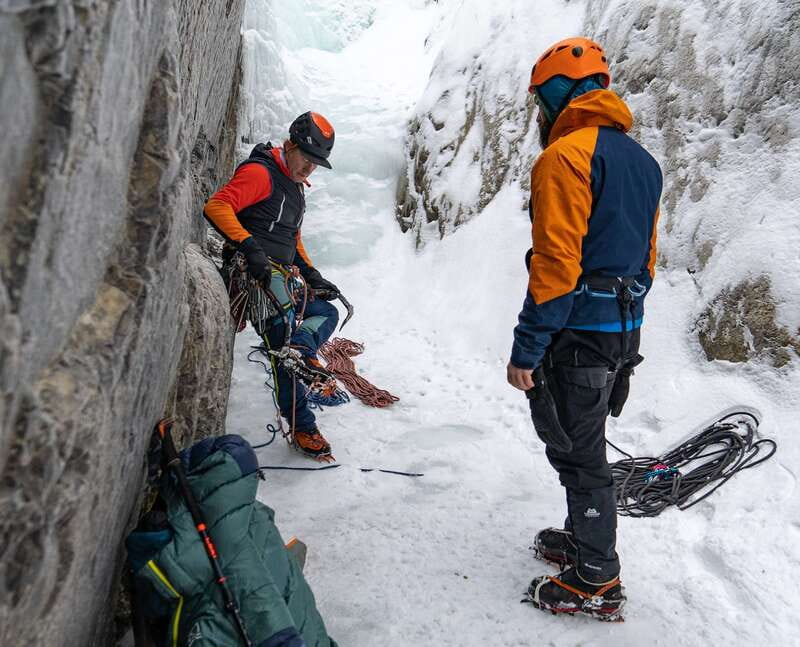
The heart of this course is learning how to move on ice without panic. You start with the basics of using ice climbing tools and figuring out how your body should feel when you are on crampons. That includes everything from foot placement to balance and the way you shift your weight while you climb.
You will also learn how your positioning affects grip and stability, which is a huge deal for beginners. People often think ice climbing is about brute strength. It is not. It is about technique, friction, and efficient movement. When the guide corrects your stance or tells you where your hips should go, the climb suddenly feels more logical and less like guessing.
The program is designed to get you climbing, not just standing near ice. Expect hands-on instruction as you practice movement skills and build comfort with the gear. If you have never used an ice axe or worn crampons before, that can feel like a lot at once, but the lesson approach is safety oriented and starts with fundamentals, then progresses.
How top-rope belaying works for beginners
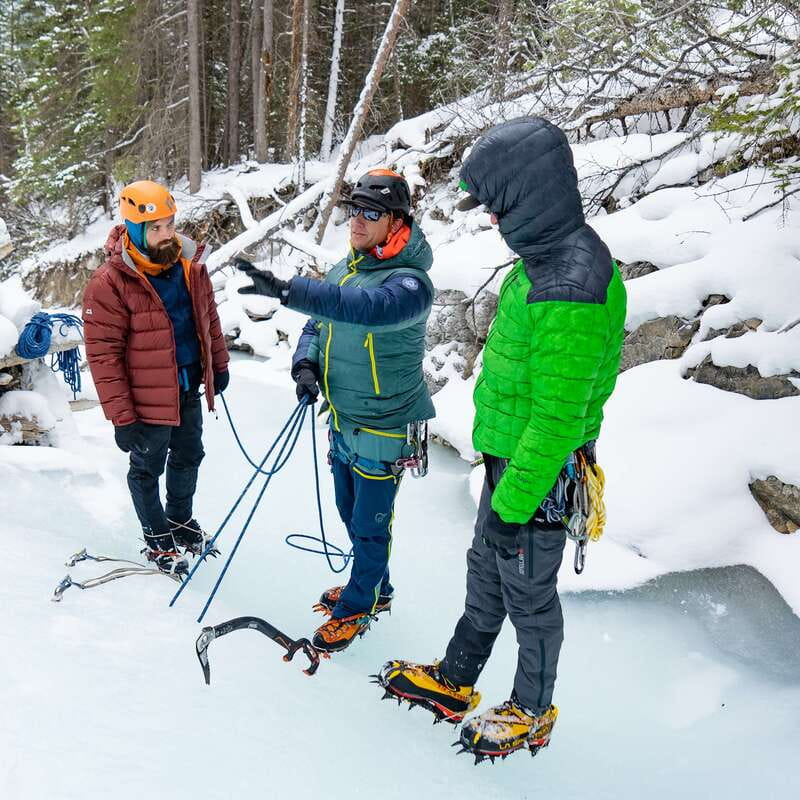
Ice climbing is teamwork, even when it feels like solo effort on the wall. That is why the course teaches you top-rope belay basics. You are not expected to become an expert in one day, but you should walk away knowing how belaying works, why it matters, and how to participate safely in the system.
For beginners, belay instruction is often what turns a first climb from intimidating to manageable. You can concentrate on moving, because you understand the safety piece in plain terms. And because guides emphasize safe technique first, you should feel that the class is structured, not chaotic.
This part of the day is also where you see how guides think. They explain, they demonstrate, then they correct. That loop is what you want as a new climber, especially on something as unforgiving as ice.
More cable, rope and canyon days

Climbing a frozen waterfall: practice, progress, and repeat attempts
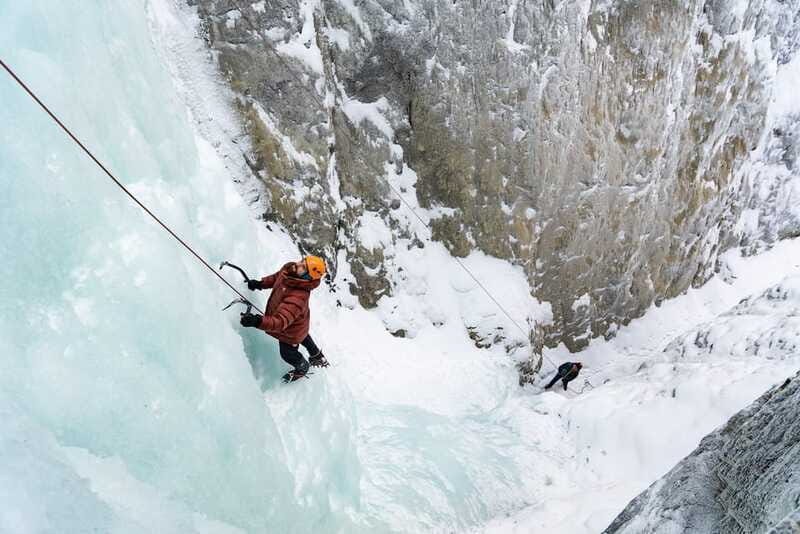
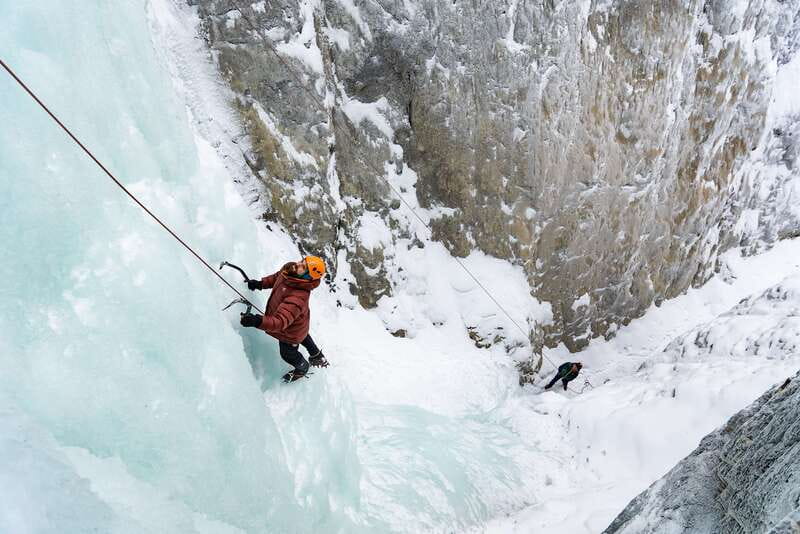
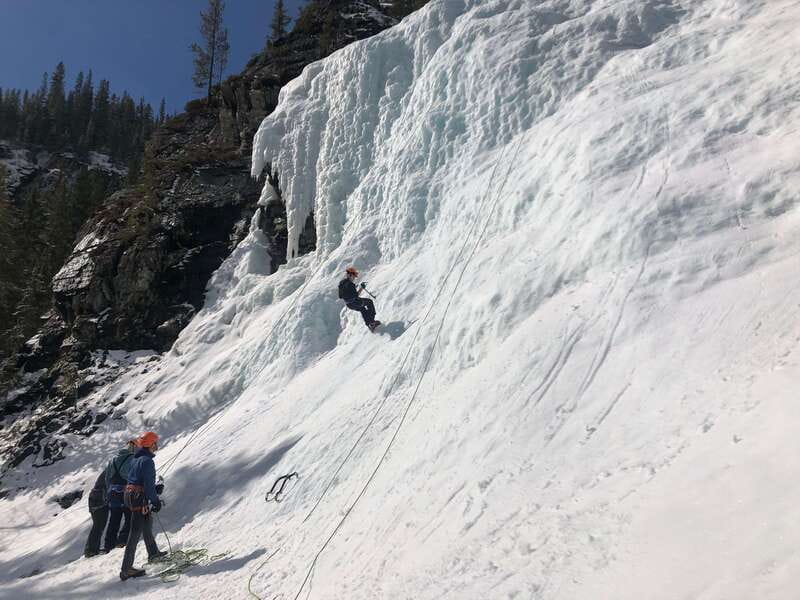
The headline is climbing a frozen waterfall. For beginners, the practical value of this is that you get to learn on real terrain, not just theory and gear handling. But the more important detail is how the day is paced to help you improve.
A key theme from the experience is guided practice with enough chances to get comfortable. In one memorable account, guide Shea helped a group through -20°C conditions and set up two different level ropes. That meant people could run the slightly easier course or try the more challenging one, and they could get more go-times without staying stuck in cold for too long.
When conditions allow, having two rope options is smart because beginners learn differently. Some people need more repetition to master foot placement. Others want a steeper challenge sooner. Two level setups let the group keep moving while still respecting different comfort levels.
Drawback to consider: this sport is affected by conditions, and ice can be variable. Your guide will adapt the plan, which is good guiding, but it means you should not lock your expectations onto one exact look of the waterfall or one exact route.
Guides, safety culture, and the gear you do not have to buy
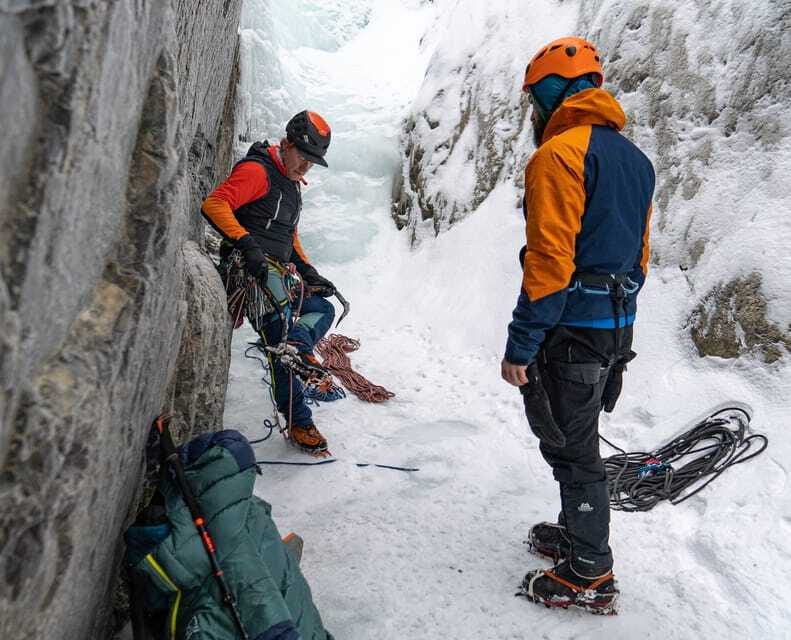
You get instruction from an ACMG-certified mountain guide, and the broader guiding team is described as ACMG and/or IFMGA certified, with Canadian Avalanche Association certification as part of the qualifications. The practical takeaway is that this is not a casual winter hike with equipment. You are learning a technical sport with people trained to manage risk in mountain conditions.
Gear is included, which is another big value point for beginners. You receive technical equipment like a helmet, harness, boots, crampons, and an ice axe. You do not have to figure out sizing on your own or wonder whether you picked the right type of crampons.
That matters because the fit and correct setup of gear affects everything. If crampons are fitted or worn wrong, your feet feel unreliable. If your harness is set poorly, you feel restricted or tense, which changes how you move. Since the gear is provided, you can focus on the skills your guide is teaching.
Also, you get a safety briefing and instructions. That is the unglamorous part of ice climbing, but it is the difference between feeling like a beginner and feeling like you are being thrown into the deep end.
Price and value: what $179 buys you in a 7-hour class
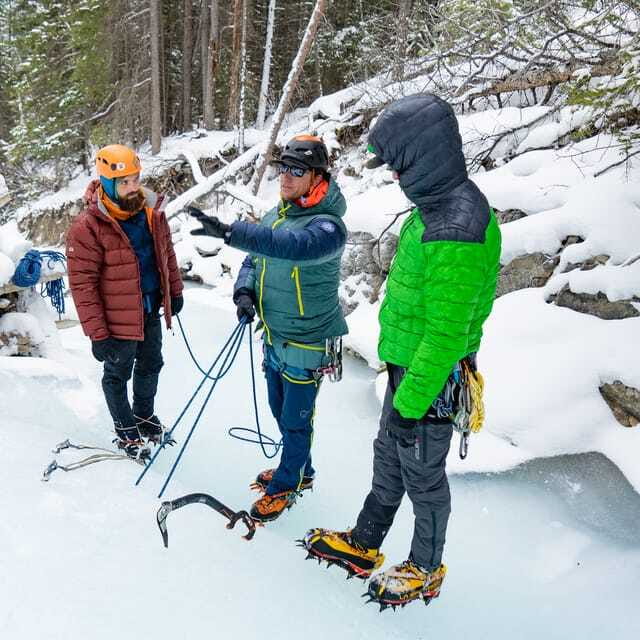
At $179 per person for about 7 hours, you are paying for several things at once: guided instruction, technical gear, and access to real ice climbing practice time. What is not included is transportation to the climbing site and food and drinks.
So is it good value? For most people starting from scratch, yes, because gear rental and certified guiding add up fast if you piece it together yourself. The real value is that you are not trying to learn ice climbing alone. You get correction, structured skill building, and a safe environment to try climbs and belay basics.
The cost becomes more of a concern only if you are already fully equipped and you can find cheaper instruction. But most first-timers will not have helmets, harnesses, crampons, or an ice axe that is ready for training. If that describes you, this price usually feels reasonable for a serious intro.
If you want to make the most of the $179, plan your day so transportation does not eat your energy. Since you drive yourself, leave extra time and keep your morning calm.
What to bring so the cold does not run your day
This is winter in the Banff area, and you should dress like you expect freezing conditions for multiple hours. The essentials listed are warm clothing, jacket, gloves, snow clothing, plus food and drinks.
You meet in the morning and you are likely outside for a long chunk of the day, even when you are not actively climbing. Cold changes your hands, your grip, and your ability to focus. If your fingers are stiff, everything slows down, and learning becomes harder.
A smart strategy is simple: dress in layers and make sure gloves are warm enough for time on ice, not just for walking from your car to a building. Bring enough food and water to keep your energy up. This course gives you effort, and you need fuel to learn well.
If you are the type who gets cold easily, take the winter seriously. One guide story highlights how cold can be extreme, and it also shows that good guides work actively to help you stay comfortable so the cold does not jeopardize the experience.
Where and when you meet: Alpine Air Adventures office and the drive
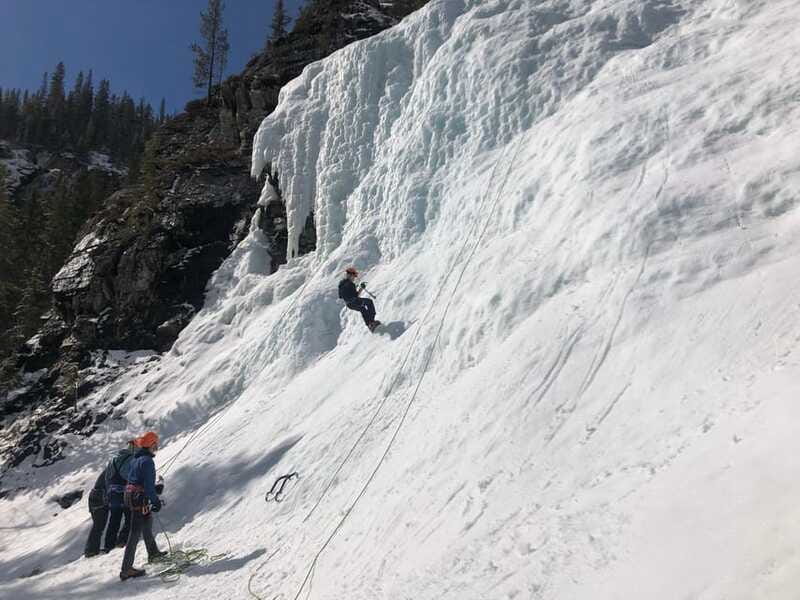
Meet your guide at the Alpine Air Adventures office at 229 Bear St on the lower level, under the movie theatre. You will need your own transportation to get to the climbing site.
This is worth planning because it changes how easy the day is to fit into a trip. If you are staying near Banff or Lake Louise with a car, it is straightforward. If you are relying on taxis and tight schedules, it can add friction, especially if the location changes due to conditions.
Also remember that group bookings may depend on minimum participation. This class needs at least 4 bookings to move forward, and you cannot assume it will run unless the minimum is met. If you are unsure, check with the AAA team via email to confirm your specific date.
Who this beginner ice climbing course suits best
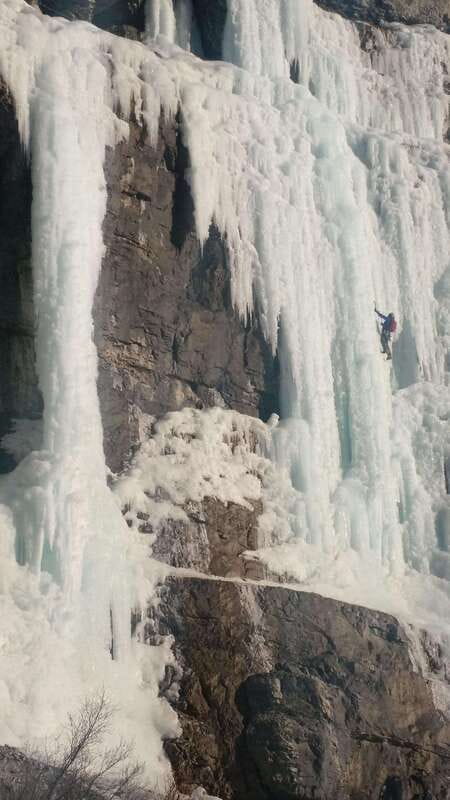
This intro is built for beginners and designed with a safety oriented approach, so it is a good fit if you want a first taste of ice climbing without trying to self-teach on dangerous terrain.
It is a great day for friends and it can work for families with kids ages 14+ since the course is not suitable for children under 14. It is also taught in English, so it is easiest for English speakers.
Who should think twice: it is not suitable for pregnant women, people with mobility impairments, or wheelchair users. That is not about being unwelcoming. It is about safety and the realities of moving on icy terrain and using technical climbing equipment.
Should you book this Banff beginner ice climbing class?
Book it if you want a structured, beginner-friendly introduction with certified guidance, all technical gear included, and real climbing practice like walking on crampons and learning top-rope belay basics. The icing on the cake is the emphasis on keeping the learning pace safe and manageable, including the chance for easier and more challenging rope options when conditions allow.
Skip it if you cannot handle cold for several hours, do not have a practical way to drive to the climbing site, or fall into one of the stated unsuitability categories. If you meet the basic requirements, this is one of those Banff-area activities that feels like you learned a real skill, not just took photos in snow.
FAQ
How long is the Banff introduction to ice climbing?
The experience runs about 7 hours, from meeting time in the morning (8 or 9am) to finishing around 3 or 4pm.
What is the price?
It costs $179 per person.
What is included in the price?
You get the climbing experience, a safety briefing and instructions, an ACMG-certified mountain guide, and all technical gear (helmet, harness, boots, crampons, and ice axe).
What should I bring?
Bring warm clothing, a jacket, gloves, snow clothing, and also food and drinks.
Do I need transportation to the climbing site?
Yes. Transportation to the climbing site is not included, and you will need your own vehicle or other means to drive.
Where does the class take place?
The field day is held in the Banff, Lake Louise, or Field BC regions. The location may change due to conditions, and that should be shared in the final logistics email.
Is the tour suitable for children?
It is not suitable for children under 14 years. It is described as a good option for families with kids ages 14+.
Should you book this Banff beginner ice climbing class?
If you are new to climbing and you want a guided, safety-first way to learn crampons, top-rope belay, and how to climb a frozen waterfall, this is a strong choice. The price makes sense because gear and certified instruction are included, just plan ahead for your drive and pack for cold, because the winter weather is part of the deal.
Rope, Cable and Canyon


More Canyons, More Cleats


Just off the notebook: recent Banff write-ups
- Elevated Private Experience: Adventure & Wellness in Banff
★ 5.0 · 4 reviews - From Banff: Affordable Moraine Lake and Lake Louise Shuttle Bus
★ 5.0 · 4 reviews - Banff to Calgary or YYC Airport | Private Transfer
★ 5.0 · 4 reviews - Banff Gondola & Lake Minnewanka Cruise Combo
★ 5.0 · 4 reviews - Moraine Lake Lake Louise Johnston Canyon Emerald Lake Day tour
★ 5.0 · 4 reviews - From Banff: Winter Wonderland; Lake Louise & Johnston Canyon
★ 5.0 · 4 reviews
Johnston Canyon & Icewalk Tours, compared.
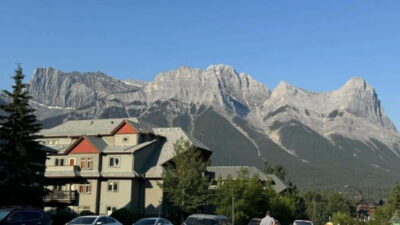 ★ 4.9Emerald Lake, Moraine, Louise, Johnston Canyon & Banff TownFrom $511,554 reviews
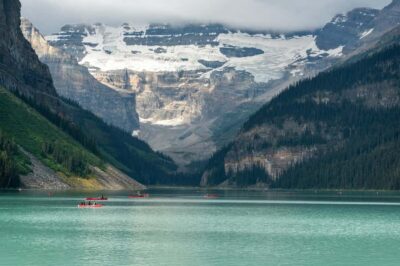 ★ 4.8Lakes Moraine, Louise, Emerald, Johnston Canyon & Yoho TourFrom $611,023 reviews
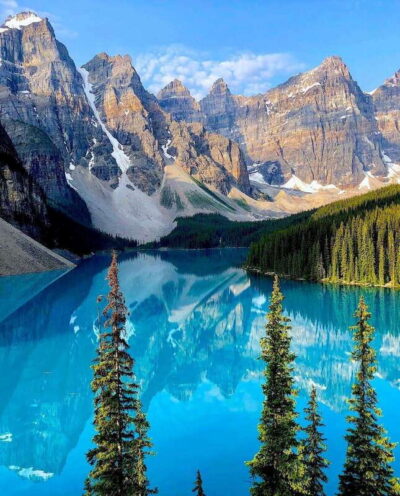 ★ 4.9Banff: Lake Louise, Moraine, Emerald Lake & Johnston CanyonFrom $50808 reviews
 ★ 5.0Johnston Canyon IcewalkFrom $81502 reviews
 ★ 5.02025 Winner-Lake Louise Moraine Lake Johnston Canyon Banff TownFrom $59376 reviews
 ★ 5.0Lake Louise Moraine Lake Johnston Canyon 1.5h Half Day TourFrom $44323 reviews
 ★ 5.0Banff Town ,Lake Louise, Moraine , Emerald & Johnston Canyon TourFrom $112256 reviews
 ★ 4.8Banff: Morning or Afternoon Johnston Canyon IcewalkFrom $79253 reviews
Browse the lists this tour appears in